Your home or office entrance is more than just a door! It's the boundary between the outside world and the sanctuary...

Mini
€3.15 Tax excluded
€3.81 Tax included
€3.81 Tax included
Your home or office entrance is more than just a door! It's the boundary between the outside world and the sanctuary...
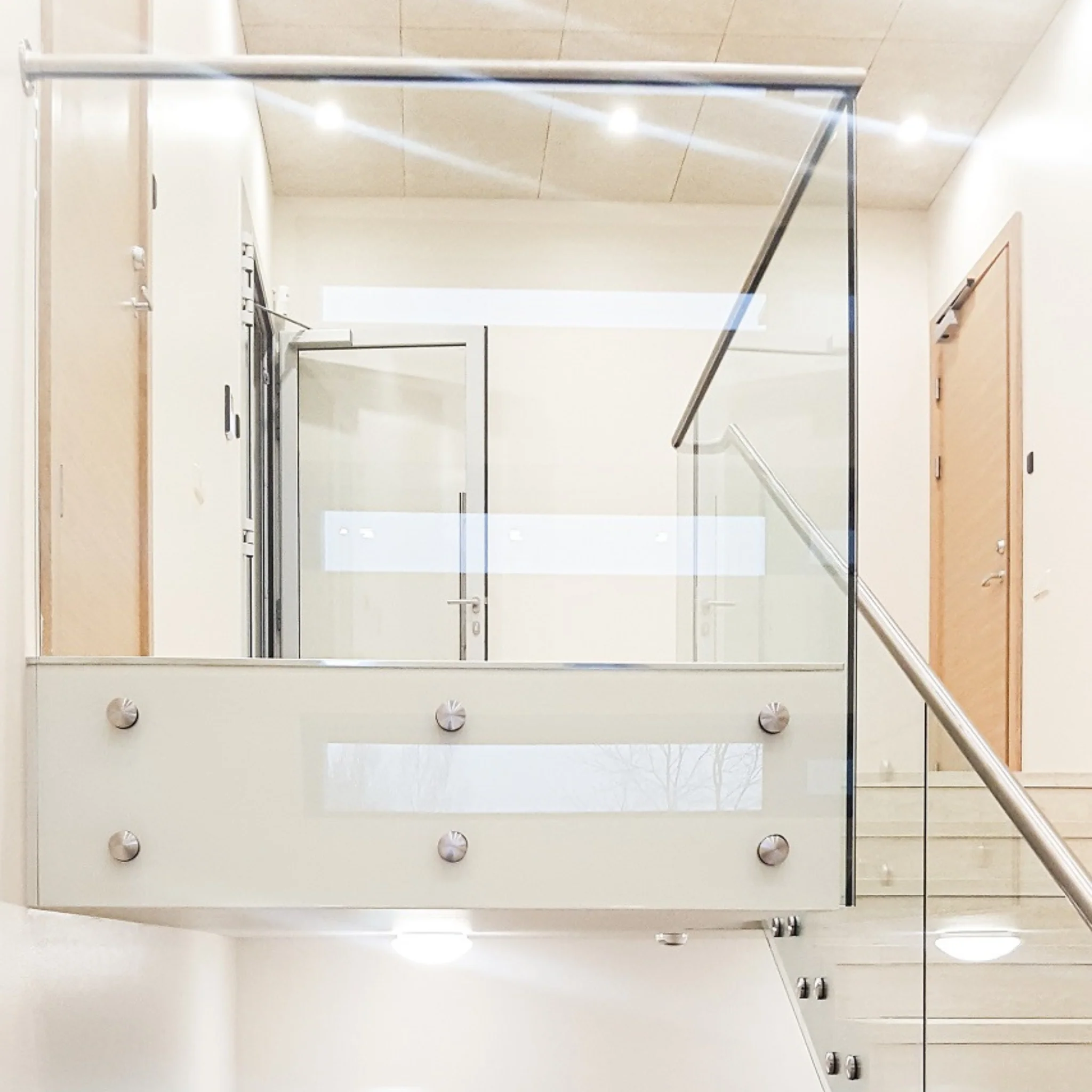
Glass staircases, balconies, loggias, and terrace railings, equipped with glass adaptors, are a hallmark of modern...
Glass adaptors are essential elements in glass construction, consisting of several components – the head, rubber...
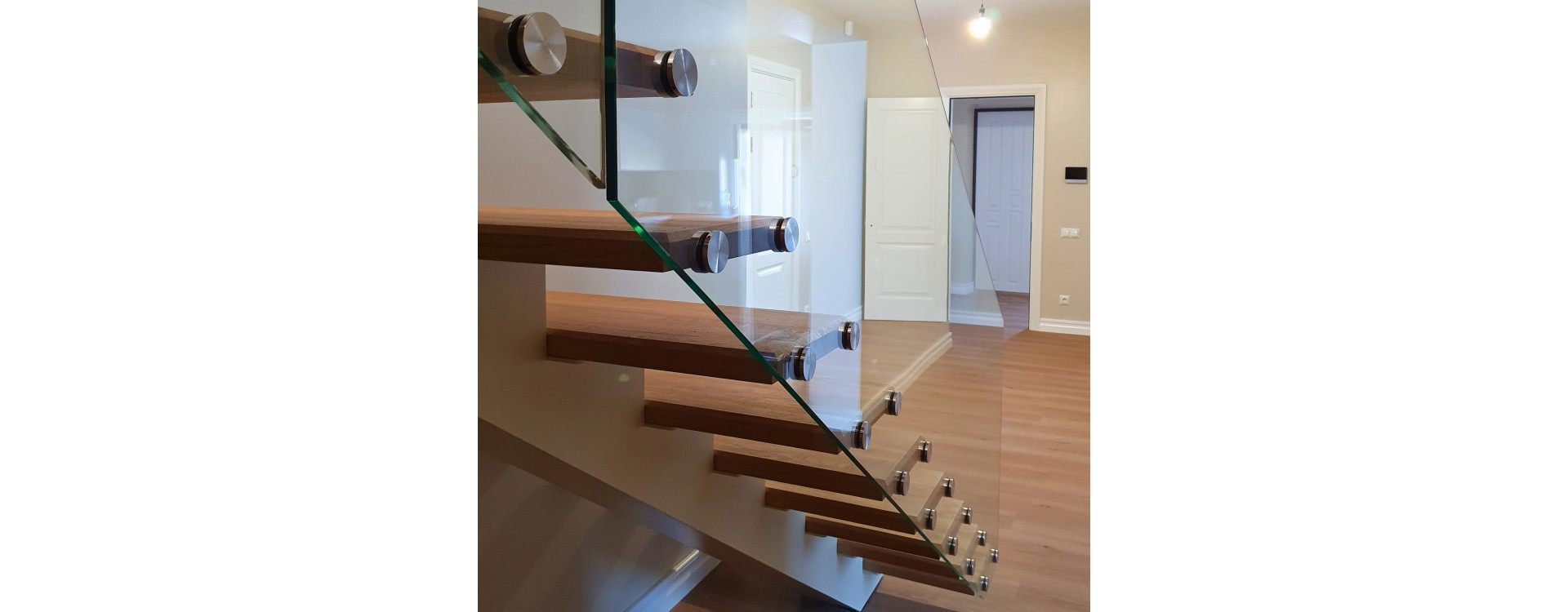
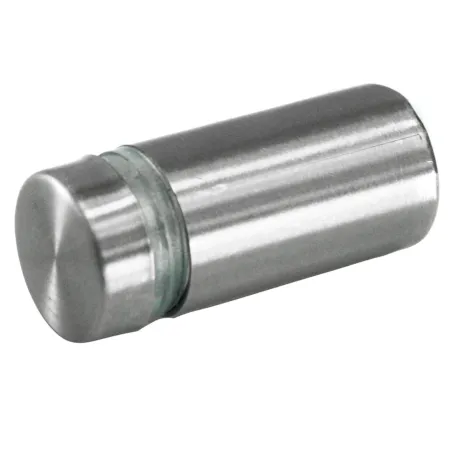
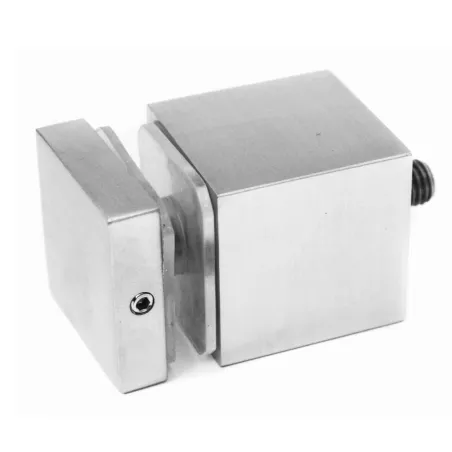
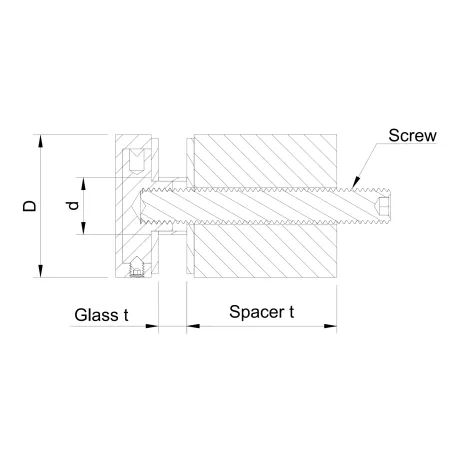
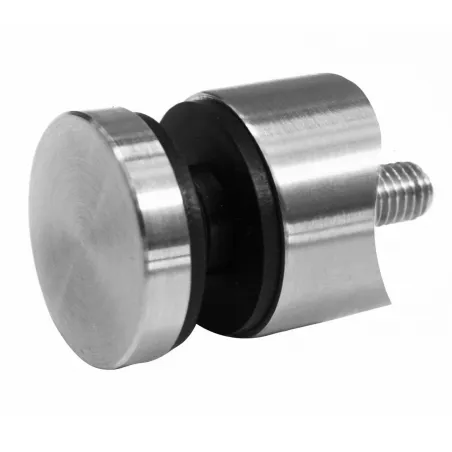
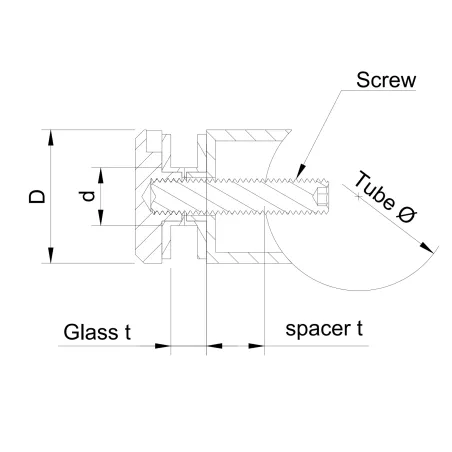
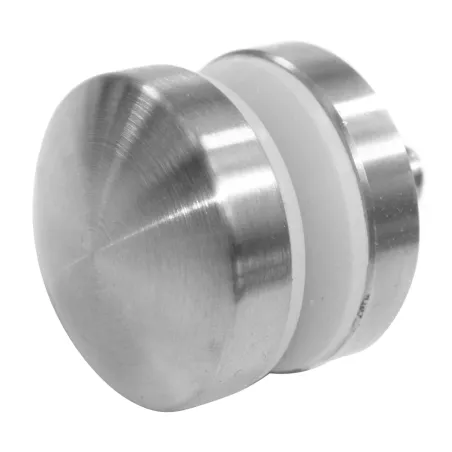
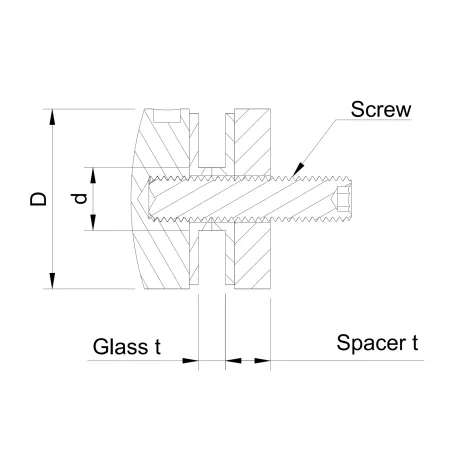
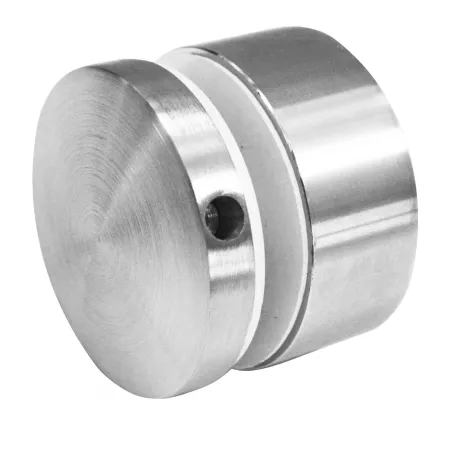
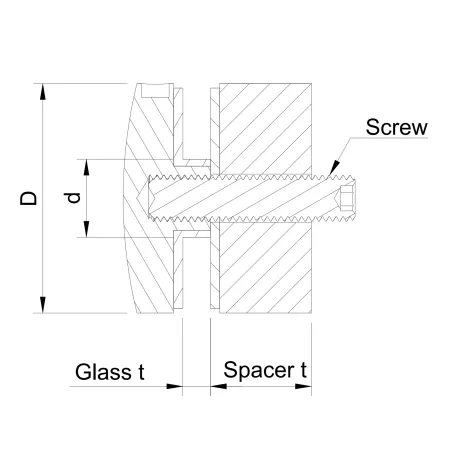
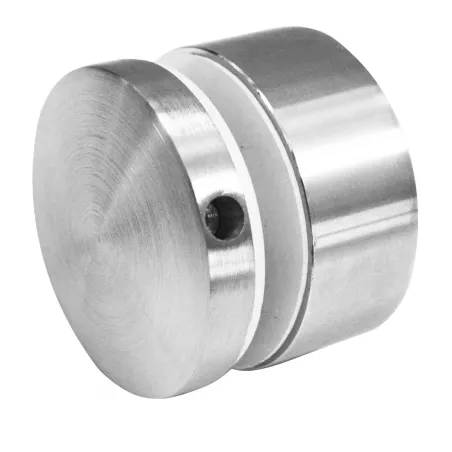
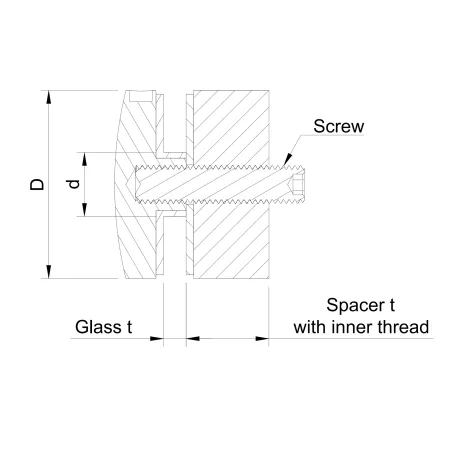
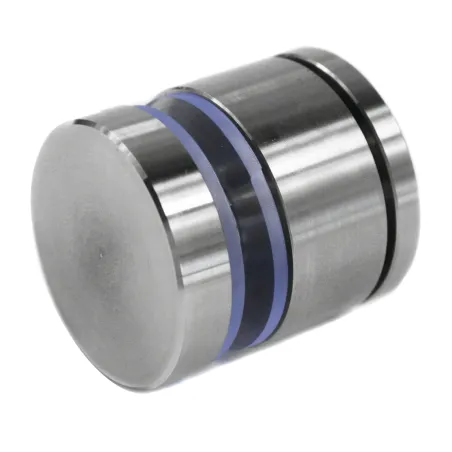
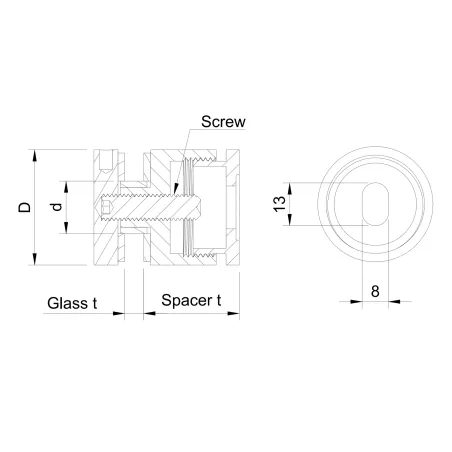
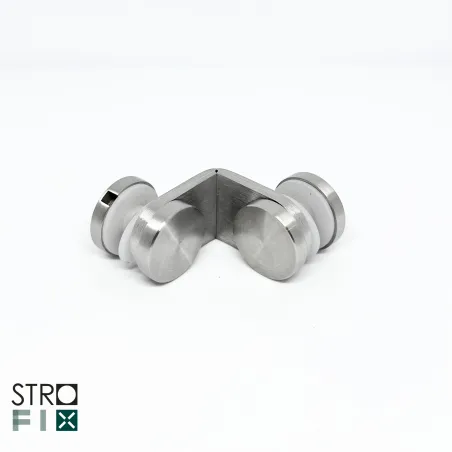
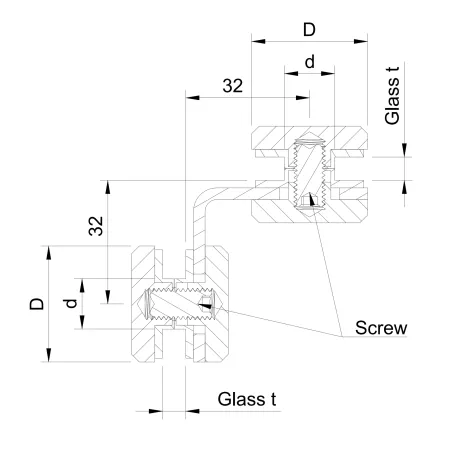
Glass adaptors are essential elements in glass construction, consisting of several components – the head, rubber gasket, spacer, and screw. Together, these elements ensure a secure and stable glass connection to the structure. They are particularly used in glass railings, French balconies, roofs, and other structures where both aesthetics and safety are required.
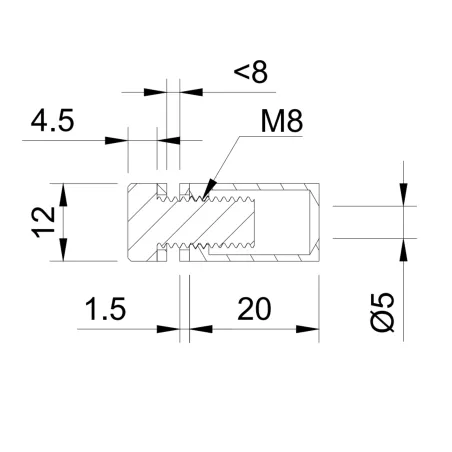
Glass adaptors are available in various sizes, ranging from 12 mm to 70 mm in diameter. Smaller adaptors, such as those with a diameter of 12–19 mm, are suitable for securing plates and lightweight structures, while larger ones, such as 30–70 mm in diameter, are used for mounting larger glass structures.
In addition to diameter, the thickness of the spacer in glass adaptors can vary from 4 mm to 50 mm. This variety allows adaptors to be tailored to specific construction requirements.
Glass adaptors are available in both round and square shapes. The head shape can be flat or spherical, while the spacer design depends on the mounting surface. For example:
Glass adaptors are divided into two categories:
There are kits available that allow the connection of two glass panels in a straight direction, at a 90° angle, or to railing posts. These kits include connection plates and other necessary elements. Separate components such as heads, spacers, or rubber gaskets are also available.
Glass adaptors are primarily made from stainless steel (AISI304 or AISI316). The surface finish can be brushed, polished, or painted. The most popular colors include:
Glass adaptors offer a wide range of sizes, shapes, and materials, making them suitable for both aesthetic and functional purposes. Their versatility ensures that every project can be executed with maximum precision and efficiency.
1. Appropriate Hole Diameter in Glass
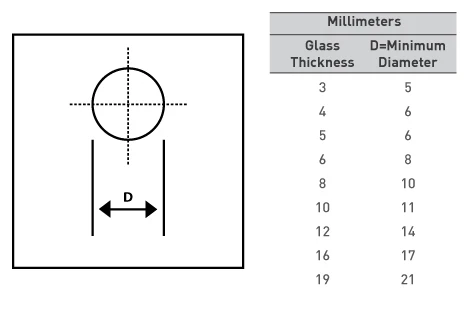
When selecting glass adaptors, it is crucial to pay attention to the required hole diameter in the glass to ensure precise and secure installation. For example, if the seat diameter of the adaptor is 17 mm, the recommended minimum hole diameter would be 18 mm. However, in practice, such a small difference makes accurate installation challenging. Therefore, it is advisable to allow for adjustment options and choose a hole diameter that is at least 2–4 mm larger. In this case, an optimal hole size would be 20–22 mm, which facilitates the installation process and ensures the stability of the structure.
2. Ratio of Glass Thickness to Hole Diameter
The hole diameter in the glass must be at least equal to the glass thickness to ensure the safety and durability of the structure. A hole that is too small can create stress concentrations within the glass, increasing the risk of cracking or breakage.
3. Distance of the Hole from the Glass Edge
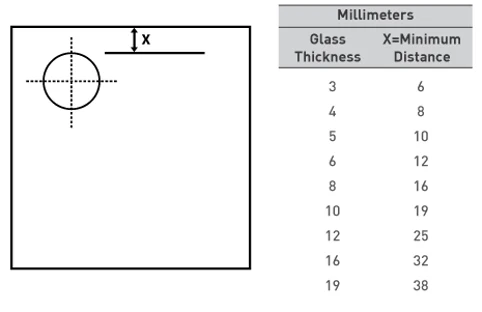
Tempered glass must be used in load-bearing glass structures to ensure safety and durability. To reduce the risk of breakage during the tempering process, it is crucial to maintain a minimum distance between the hole edge and the glass edge, which should not be less than twice the glass thickness. If the structural design requires the hole to be positioned closer to the glass edge, a notch must be made, connecting the hole to the nearest edge. This helps to reduce stress concentration and enhance the overall strength of the glass.
check_circle
check_circle
Leave a comment